
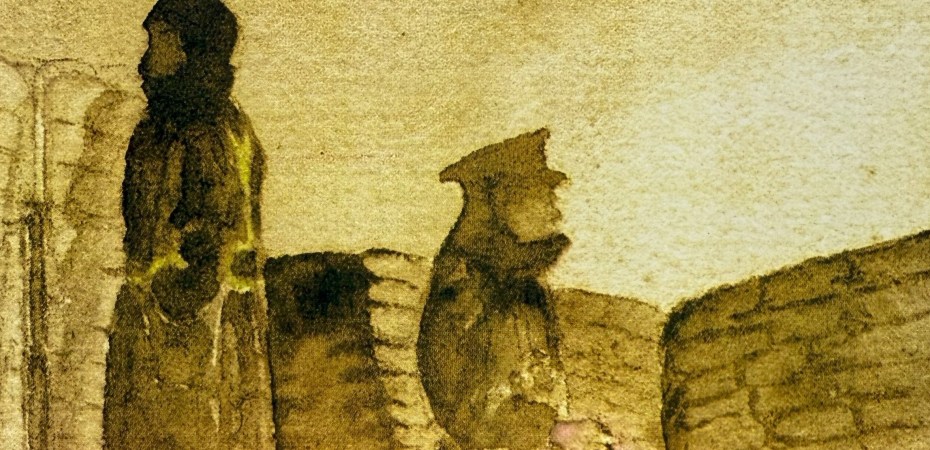
Taken from Saddleworth 1914-1919 K W Mitchinson page 79 (provided by Jean Singleton). The images were provided by Janet Chard, one of the many researchers 2014, used as part of an exhibition at that time.
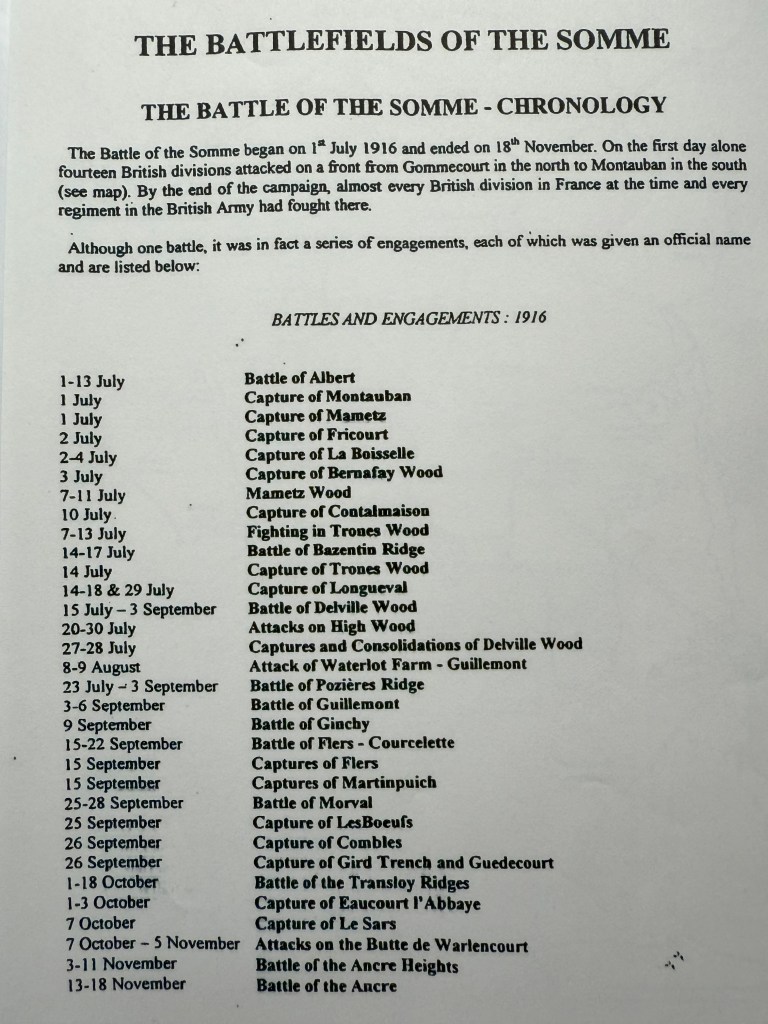
The 49th Division and its few remaining Saddleworthian men removed to quieter environs, but there were many more Saddleworth youngsters who remain on the Somme, fighting and dying on a landscape which, with the approach of autumn and winter was rapidly deteriorating into a fetid morass of broken ground and blasted woods.
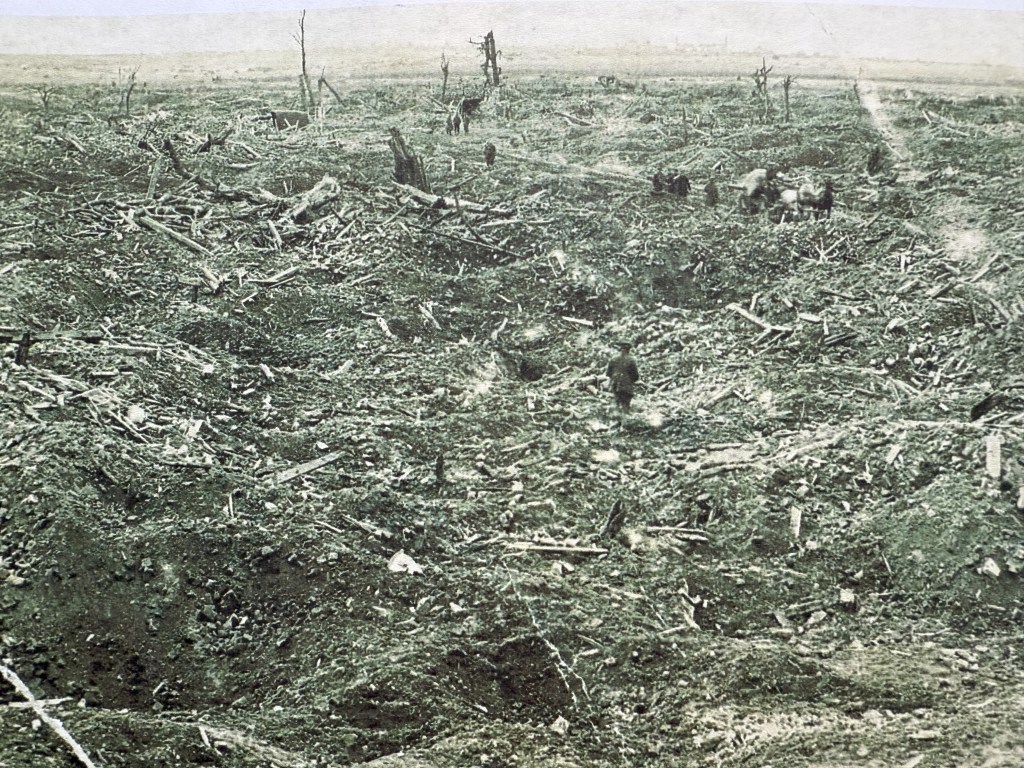
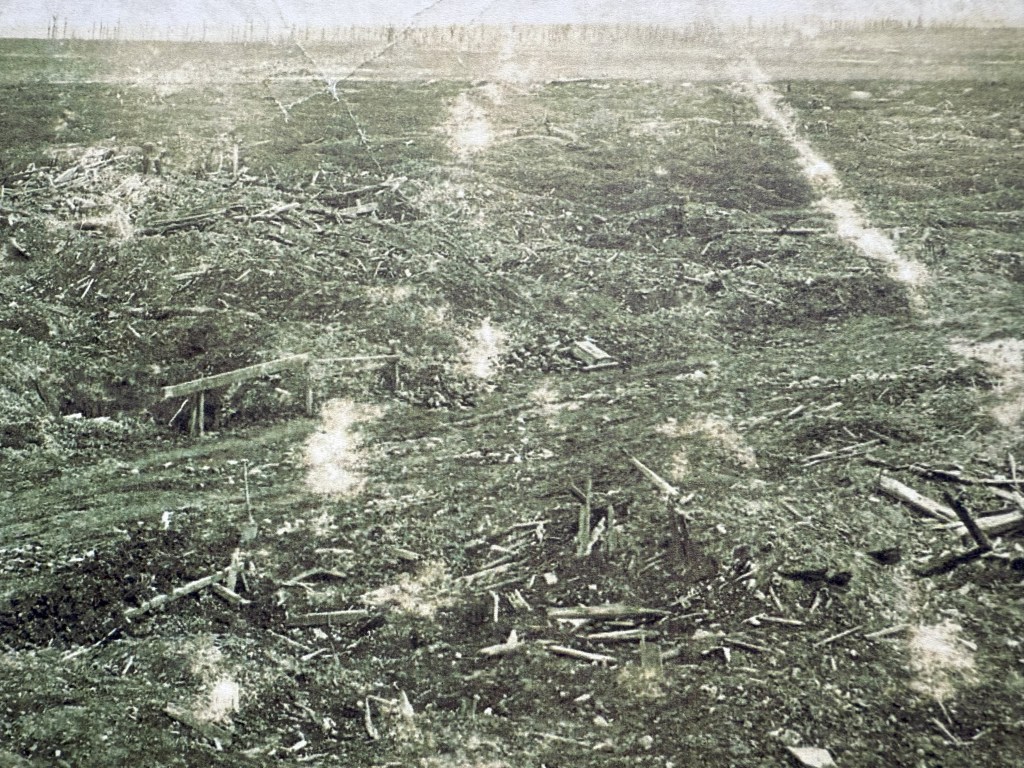
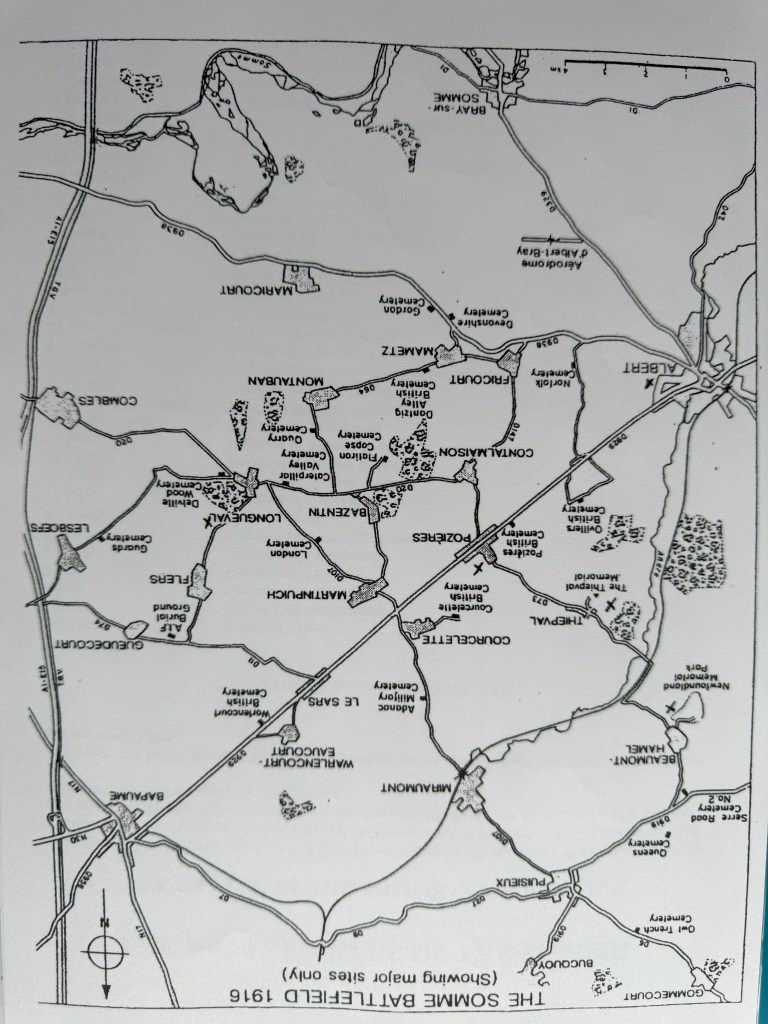
Two young men, Oliver Wood and Frank Bax, had been called up in May and, after training, were sent to the 13/ Northumberland Fusiliers. Both men were former mill workers, Bax, an overlooker at the Victoria Mill, Uppermill, and Wood, a Cardroom Jobber at Owl Mill, Lees. They arrived in France in August 1916 and spent the first two weeks with their new battalion, training. By mid-September the battalion were in bivvies in Becordel, just behind the front line of 1st July, and in the early hours 17th September they moved up to the front sector. The next six days were spent trying to link shell holes into something resembling trenches, trying to make contact with the brigade on their left whose flank was in the air, dodging German sniper fire and enduring an almost incessant barrage falling upon and behind their lines. The weather was, in the words of an Intelligence Officer, ‘abominable’ and the conditions and shell fire ensured the impossibility of hot food. An enemy strongpoint overlooked the battalion’s inadequate trenches, and two attempts to bomb the Germans from that position met with heavy failure. A third attempt was made only to find the Germans had voluntarily evacuated the strongpoint and immediately greeted the new occupants with a bombardment which all but destroyed the garrison. It was during this operation that Wood was killed. Bax was wounded at some stage of the trench tour and evacuated to a CCS. He died of his wounds received some two weeks later.
Four weeks after his death, Bax’s brother Gordon was also killed. Gordon was serving with the 2/West Yorkshire and like his brother had previously worked in a local mill. He was killed at the end of October while the battalion held a collection of shell holes, enduring a series of howling winds and lashing storms which managed to drown out the sound of the guns. Two other local men, also serving in the same battalion as Bax, were killed during October. James Kinder of Austerlands died during an abortive attempt on the German trenches near Le Transloy, while Thomas Broadbent, a railway worker from Diggle and former National Reservist, was killed during the same trench tour in which Bax lost his life. Although Gordon Bax’s body was not identified after the war, a few months later his sister received a letter from an Australian Soldier which enclosed her brother’s pay book and a letter from her. The Australian explained that he had removed the items from Bax’s body when he had found him lying on the battlefield.
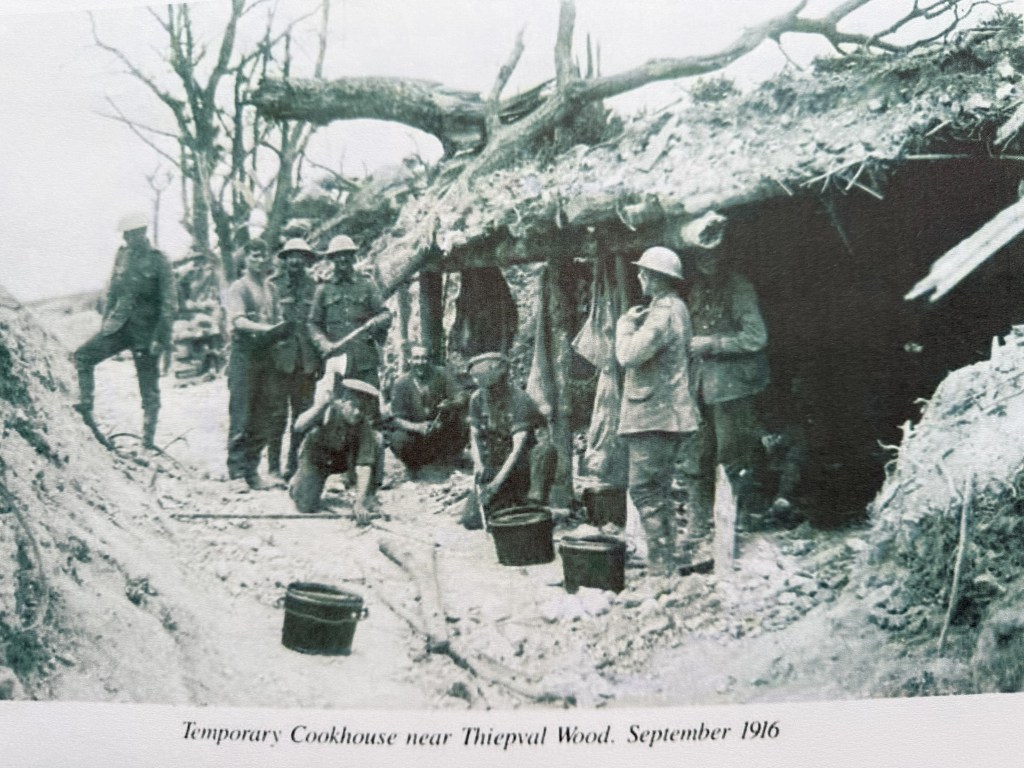

October also saw the death of another son of a Saddleworth publican. On this occassion it was Walter Beesley, son of the landlord of the Farrar’s Arms. Beesley had enlisted in January 1916 and went to France in September. He served with the 5/Dukes during most of that month and ten went with the rest of the 49th Division to the northern sector of the Somme, following the attack on the Leipzig. While he was on sentry duty in the trenches near Foncquevillers, a shell landed, killing Beesley and two comrades. The family received two letters of condolence – one from cpl Brierley of Greenfield and the other from his platoon commander. After describing the manner of their son’s death and expressing the usual words of commiseration, lieutenant Ridgway continued:
It is superfluous to talk of easing the anguish, but i think you will agree that he could not have died under finer circumstances, serving his country till the last moment. After all, it is something to us who suffer these bitter blows to know that a man was a man.


 Historic Saddleworth Church